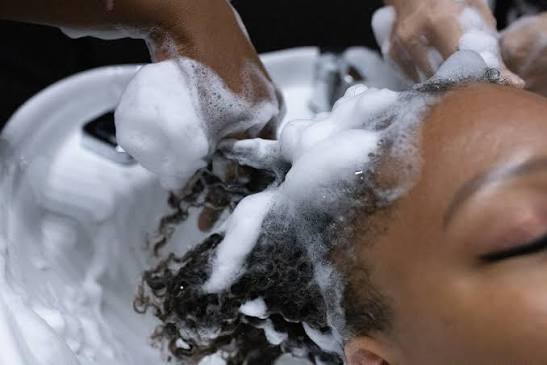
When did shampoo become the villian? I’ll tell you when.
When it started being made with toxic ingredients that dry out the scalp, ruin the cuticle of your hair, cause skin irritation, hair thinning, allergies and introduce toxic inclusions that disrupt your hormones, nervous system, poison your organs, and are linked to cancer.
Yes, most shampoo is indeed that bad. Your scalp is not just skin. It’s highly absorbent and closely connected with vessels that carry fluids throughout the body. What you massage into your scalp can enter your bloodstream. While there are set ingredient safety limits for cosmetic ingredients; long-term exposure, cumulative effects, and chemical combinations are not fully explored. Nor can the toxic dose be the same for everyone. Meaning people will show symptoms of toxin overload at different exposure rates and amounts. The determination of what is safe is very slippery.
Some ingredients are banned in other countries but are still legally sold in U.S. haircare products. That’s why being ingredient conscious is critical.
Here is a short list of common ingredients to avoid in shampoos.
You can find a more comprehensive list of ingredients of concern for shampoos and other hair care products in my ebook.
Sodium Lauryl Sulfate (SLS) & Sodium Laureth Sulfate (SLES)
These sulfates are powerful surfactants responsible for the foamy lather that many people associate with cleanliness. SLS and SLES are both known irritants. They can strip your scalp of its natural oils, leading to dryness, itching, and long-term weakening of hair strands. More troubling is that SLES is contaminated with 1,4-dioxane, a probable human carcinogen that’s hard to remove completely during manufacturing.
- Look out for: SLS, SLES, TEA-lauryl sulfate, ammonium lauryl sulfate
- Better alternatives: Sodium cocoyl isethionate, decyl glucoside, lauryl glucoside
Parabens
Parabens are used to prevent microbial growth and extend shelf life. They are endocrine disruptors, mimicking estrogen in the body and potentially interfering with hormone function. While direct links to breast cancer remain debated, the presence of parabens in breast tumor tissue has raised serious concerns.
- Look out for: Any ingredient ending in “paraben”
Formaldehyde
Formaldehyde is a known carcinogen, classified by the International Agency for Research on Cancer (IARC) as a Group 1 carcinogen (cancer-causing to humans). In a 2010 study, the U.S. National Cancer Institute linked occupational formaldehyde exposure to certain types of cancer, particularly nasopharyngeal cancer and leukemia (National Cancer Institute, 2010).
Phthalates
These are used to make synthetic fragrances last longer and bind to hair. Phthalates are also endocrine disruptors, affecting reproductive development and possibly contributing to obesity, asthma, and neurological issues. Most dangerously, they’re typically not listed outright, hiding in the catch-all term “fragrance.”
Synthetic Fragrances
Fragrance blends can contain over 3,000 undisclosed chemicals, many of which are allergens, hormone disruptors, or even respiratory irritants. For sensitive individuals, synthetic fragrance is often the main trigger behind itching, flaking, and hair fall. Products labeled “fragrance-free” or scented with pure essential oil blends are better alternatives.
Polyethylene Glycols (PEGs)
PEGs are contaminated with 1,4-dioxane, a by-product that the U.S. Environmental Protection Agency (EPA) lists as a likely human carcinogen. The EPA notes that 1,4-dioxane is persistent in the environment and may pose health risks with chronic exposure.
Triclosan
This antibacterial agent is often added to shampoos marketed for dandruff or scalp issues. Triclosan is a thyroid disruptor and has been linked to hormone imbalance and antimicrobial resistance. Though banned in hand soaps, it’s still legal in some haircare products.
- Look out for: Triclosan, triclocarban
- Better alternatives: Tea tree oil, neem extract, salicylic acid
Retinyl Palmitate
This synthetic antioxidant is marketed as an anti-aging or “scalp-rejuvenating” ingredient. When exposed to sunlight, retinyl palmitate can break down into toxic compounds that are potentially cancer-causing. It can also cause skin irritation and sensitivity.
- Look out for: Retinyl palmitate, vitamin A palmitate
- Better alternatives: Rosehip oil, beta-carotene, bakuchiol
Synthetic Dyes
These are used to add color to shampoos for visual appeal or to signal “therapeutic” properties. Synthetic dyes (coal tar dyes included) are derived from petroleum and have been linked to cancer in multiple studies. They are restricted or banned in the EU and Canada. Better alternatives include all natural colors from plants ex. annatto, beet extract, turmeric, charcoal, etc. Be careful with the term “naturally derived” as there are often harmful synthetic inclusions in them as well.
So how are we cleansing our scalp and hair if not with shampoo?
I’m soo glad you asked.
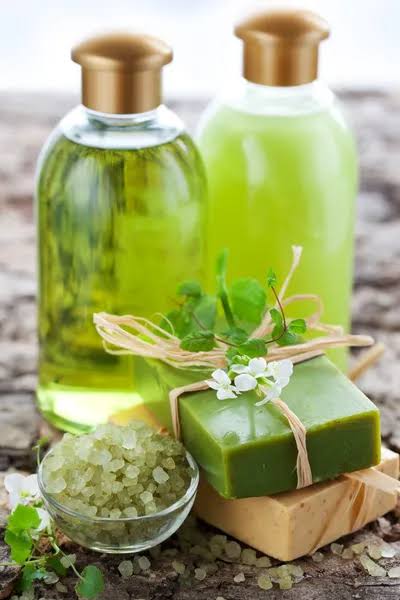
All natural soaps and clays are the best way to go.
Castille Soap, African Black Soap, Soap Berry, Shikaikai, Bentonite Clay mixes that are synthetic fragrance free.
Most soap is made too strong for direct regular use on hair so unless it’s a soap based shampoo bar you’ll want to properly dilute any soaps you are using for hair cleansing.
Shop All Natural Herbal Shampoo or a Fantastic Recipe for one in my online store.
Join the conversation on Youtube
Sources
https://www.cancer.gov/about-cancer/causes-prevention/risk/substances/formaldehyde/formaldehyde-fact-sheet https://semspub.epa.gov/work/01/575107.pdf
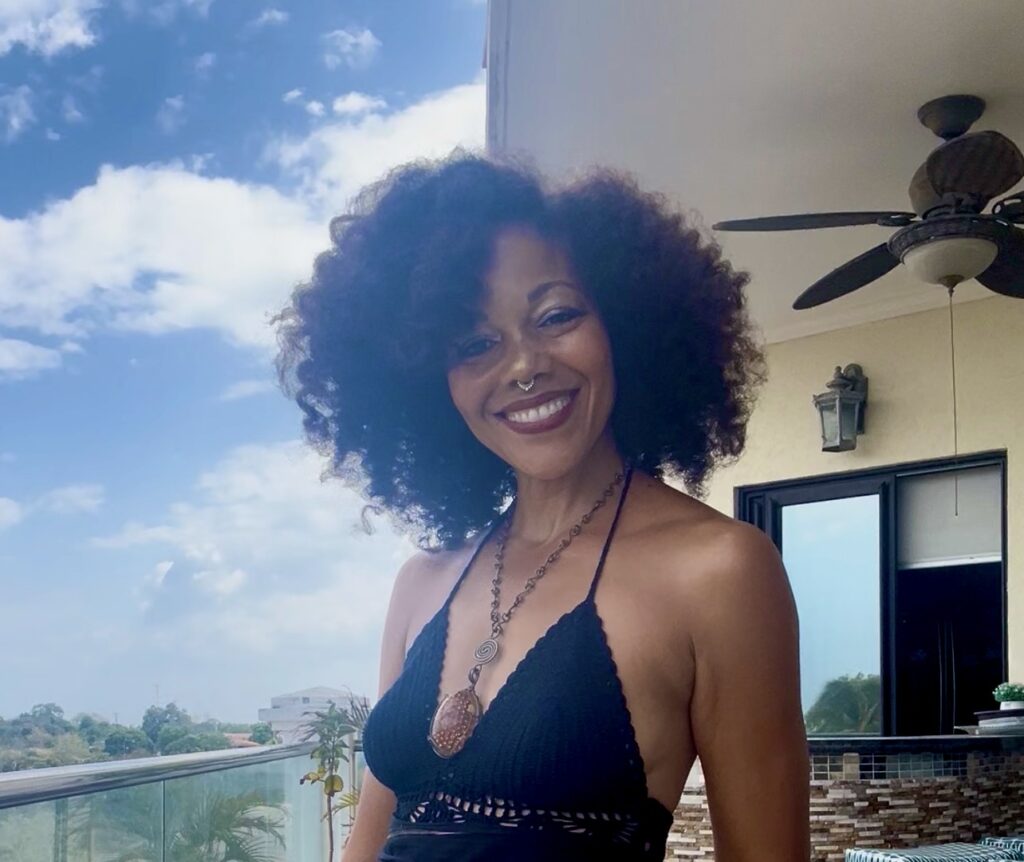
AMENA BELLEDESOLEIL IS A DIVINELY GUIDED & GIFTED HOLISTIC LIFESTYLE PRACTITIONER, ANCIENT MEDICINE ALCHEMIST, NATURAL HAIR HEALER, WORDSMITH AND GOOD STEWARD OF MOTHER EARTH WHO SHARES HER KNOWLEDGE FOR THE PURPOSE OF ELEVATING HUMAN CONSCIOUSNESS & VIBRATION. BLESSINGS & BLISSINGS.